


Meet a Moorland Parent 💙
From her very first days in Nursery to becoming our Head Girl, now beginning her final year at Moorland, this has been a journey filled with learning, friendships, confidence and countless special memories.
In the first of our new parent series, we hear what it has meant to watch a child grow up within the Moorland family and how being truly known, nurtured and encouraged has helped shape the young person she is today.
Thank you for sharing such a heartfelt reflection on your family’s Moorland journey. We are incredibly proud of the young person she has become and cannot wait to see everything she achieves during her final year. Being a teacher really is a joy and a privilege.
#MeetAMoorlandParent #MoorlandFamily #Clitheroe #LancashireSchools #schooldays

Meet a Moorland Parent 💙
From her very first days in Nursery to becoming our Head Girl, now beginning her final year at Moorland, this has been a journey filled with learning, friendships, confidence and countless special memories.
In the first of our new parent series, we hear what it has meant to watch a child grow up within the Moorland family and how being truly known, nurtured and encouraged has helped shape the young person she is today.
Thank you for sharing such a heartfelt reflection on your family’s Moorland journey. We are incredibly proud of the young person she has become and cannot wait to see everything she achieves during her final year. Being a teacher really is a joy and a privilege.
#MeetAMoorlandParent #MoorlandFamily #Clitheroe #LancashireSchools #schooldays
Little hands, curious minds and a very busy first week. 💙
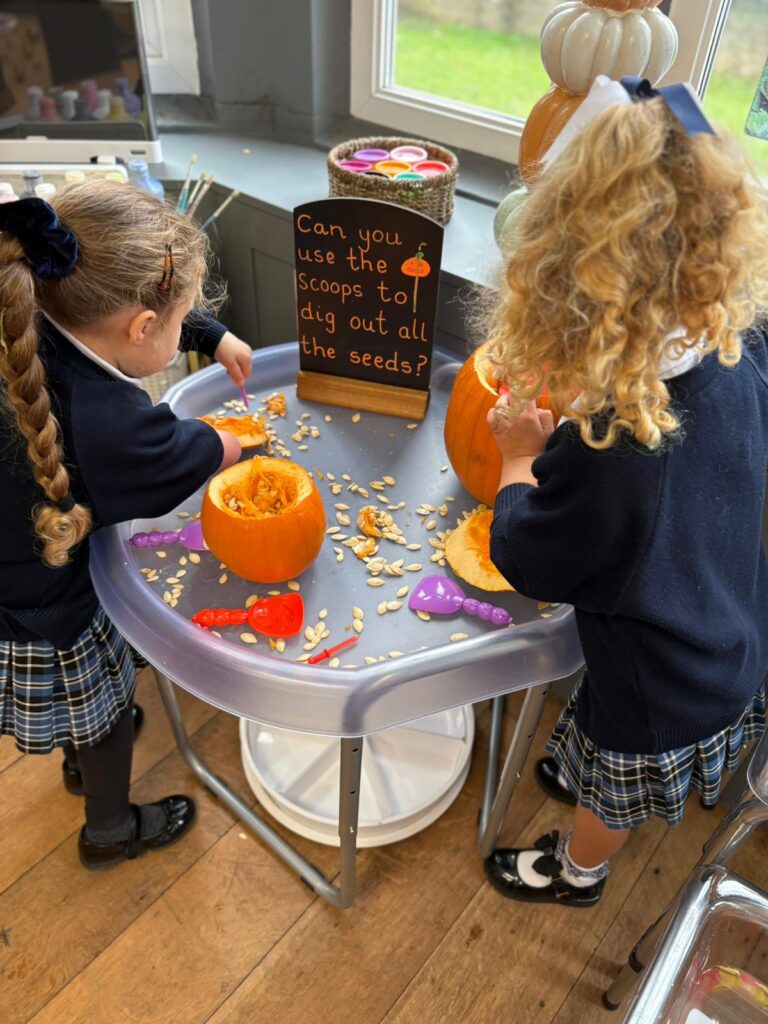
From early reading and writing to friendship, confidence and outdoor discovery, our Reception children have embraced every part of their first week at Moorland Junior School.
We are incredibly proud of how happily they have settled, explored their new environment and begun building special friendships.
Our small class allows every child to feel known, supported and encouraged as they take those important first steps in school life.
Reception 2027 enquiries are now open. Please contact us to arrange a personal visit.
#StartingSchool #LancashireSchools #EarlyYears #Reception2027
Little hands, curious minds and a very busy first week. 💙
From early reading and writing to friendship, confidence and outdoor discovery, our Reception children have embraced every part of their first week at Moorland Junior School.
We are incredibly proud of how happily they have settled, explored their new environment and begun building special friendships.
Our small class allows every child to feel known, supported and encouraged as they take those important first steps in school life.
Reception 2027 enquiries are now open. Please contact us to arrange a personal visit.
#StartingSchool #LancashireSchools #EarlyYears #Reception2027
What if choosing a small school could open up a world of big opportunities? 💙
What if your child was truly known?
What if they found their voice?
What if they discovered something they loved?
What if they were challenged to achieve more than they thought possible?
What if they found somewhere they truly BELONG?
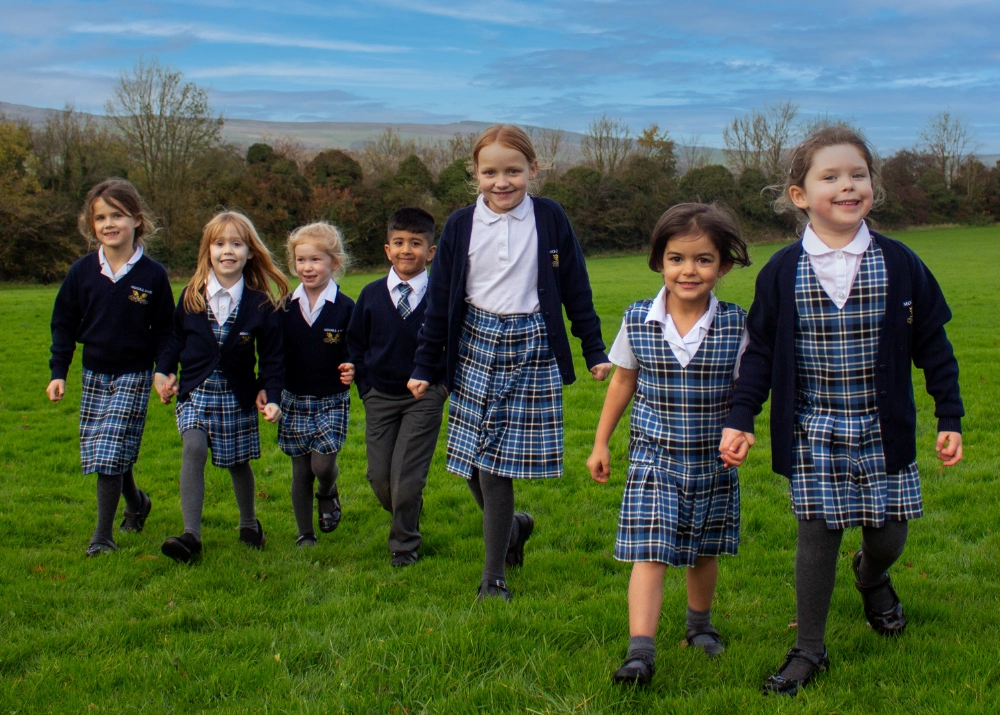
At Moorland, small classes mean we have the time to know each child as an individual - their strengths, their interests, what challenges them and what makes them shine.
From ambitious academics and hands-on learning to LAMDA, enrichment, trips, outdoor adventures and friendships, we want our children to experience more, discover more and become confident in who they are.
Because being small doesn’t mean thinking small. 💙
What if choosing a small school could open up a world of big opportunities? 💙
What if your child was truly known?
What if they found their voice?
What if they discovered something they loved?
What if they were challenged to achieve more than they thought possible?
What if they found somewhere they truly BELONG?
At Moorland, small classes mean we have the time to know each child as an individual - their strengths, their interests, what challenges them and what makes them shine.
From ambitious academics and hands-on learning to LAMDA, enrichment, trips, outdoor adventures and friendships, we want our children to experience more, discover more and become confident in who they are.
Because being small doesn’t mean thinking small. 💙
✨Open Day✨
Come and meet our Moorland family and discover what makes our small school so special: a welcoming family school where every child belongs, feels truly known, and excels in a happy, caring environment.
📅 Open Day: Saturday 10 October
⏰ 10am - 2pm
📍 Moorland Junior School, Ribblesdale Avenue, Clitheroe
Booking is encouraged but not required. To reserve your place, please email abrotherton@moorlandschool.co.uk.
We are welcoming enquiries for Reception 2027 and 2028, with limited places also available in some other year groups.
Can’t make our Open Day? Contact us to arrange a personal tour.
#Clitheroe #SchoolOpenDay #LancashireSchools #IndependentSchool #SmallSchoolBigOpportunities
✨Open Day✨
Come and meet our Moorland family and discover what makes our small school so special: a welcoming family school where every child belongs, feels truly known, and excels in a happy, caring environment.
📅 Open Day: Saturday 10 October
⏰ 10am - 2pm
📍 Moorland Junior School, Ribblesdale Avenue, Clitheroe
Booking is encouraged but not required. To reserve your place, please email abrotherton@moorlandschool.co.uk.
We are welcoming enquiries for Reception 2027 and 2028, with limited places also available in some other year groups.
Can’t make our Open Day? Contact us to arrange a personal tour.
#Clitheroe #SchoolOpenDay #LancashireSchools #IndependentSchool #SmallSchoolBigOpportunities
🧠 Sticky Learning 🧠
As we begin a new school year, our children have been busy showing us just how much knowledge they have retained and can bring back to mind from their previous learning.
Across the Junior School, pupils have been revisiting key knowledge and skills, making connections and demonstrating what they already know before we begin building on it.
At Moorland, learning isn’t simply about what children can do in one lesson- it’s about developing knowledge and understanding that sticks.
A brilliant start to a new year of learning. 💙
#MoorlandJuniorSchool #StickyKnowledge #LearningThatLasts #RetrievalPractice #BackToSchool
🧠 Sticky Learning 🧠
As we begin a new school year, our children have been busy showing us just how much knowledge they have retained and can bring back to mind from their previous learning.
Across the Junior School, pupils have been revisiting key knowledge and skills, making connections and demonstrating what they already know before we begin building on it.
At Moorland, learning isn’t simply about what children can do in one lesson- it’s about developing knowledge and understanding that sticks.
A brilliant start to a new year of learning. 💙
#MoorlandJuniorSchool #StickyKnowledge #LearningThatLasts #RetrievalPractice #BackToSchool
And just like that… we’re back! 💙✨
Smiles throughout school, friends reunited, lessons underway and classrooms full of learning, laughter and happy faces.
A particularly special day for our new Reception class as they officially begin their Moorland journey, and for the new teachers joining our wonderful team. 🥰
There’s nothing quite like having our Moorland family back together again. 💙
Here’s to a brilliant year ahead! ✨
And just like that… we’re back! 💙✨
Smiles throughout school, friends reunited, lessons underway and classrooms full of learning, laughter and happy faces.
A particularly special day for our new Reception class as they officially begin their Moorland journey, and for the new teachers joining our wonderful team. 🥰
There’s nothing quite like having our Moorland family back together again. 💙
Here’s to a brilliant year ahead! ✨
✨ WELCOME BACK TO MOORLAND JUNIOR SCHOOL! ✨
A new school year is almost here and we couldn’t be more excited! 🤎
We’ve been very busy over the summer sprucing up our school, with lots of exciting improvements already complete and just two final projects still to come… ✨
We can’t wait to open our doors and welcome back all of our wonderful pupils, as well as say a very big Moorland welcome to the new faces joining us this year! 🏫
Behind the scenes, our amazing staff team have been working incredibly hard to get everything ready and make 2026/27 our best year yet. We have so much planned and cannot wait to get started! ✨
🌟 New year. New beginnings. New opportunities. 🌟
Here’s to another year of learning, growing, achieving, making memories and, most importantly, belonging at Moorland 🤎
See you all tomorrow! ✨
#ribblevalley #clitheroe
✨ WELCOME BACK TO MOORLAND JUNIOR SCHOOL! ✨
A new school year is almost here and we couldn’t be more excited! 🤎
We’ve been very busy over the summer sprucing up our school, with lots of exciting improvements already complete and just two final projects still to come… ✨
We can’t wait to open our doors and welcome back all of our wonderful pupils, as well as say a very big Moorland welcome to the new faces joining us this year! 🏫
Behind the scenes, our amazing staff team have been working incredibly hard to get everything ready and make 2026/27 our best year yet. We have so much planned and cannot wait to get started! ✨
🌟 New year. New beginnings. New opportunities. 🌟
Here’s to another year of learning, growing, achieving, making memories and, most importantly, belonging at Moorland 🤎
See you all tomorrow! ✨
#ribblevalley #clitheroe
And just like that… our final INSET day is coming to an end!
The classrooms are ready, the team are (very!) excited and we can’t wait to welcome all of our wonderful children and families back on Monday. 💙
Here’s to a brilliant new school year at Moorland Junior School! ✨
#BackToSchool #September #SchoolLife #NewSchoolYear #IndependentSchool
And just like that… our final INSET day is coming to an end!
The classrooms are ready, the team are (very!) excited and we can’t wait to welcome all of our wonderful children and families back on Monday. 💙
Here’s to a brilliant new school year at Moorland Junior School! ✨
#BackToSchool #September #SchoolLife #NewSchoolYear #IndependentSchool