


🐧 Year 1 Penguin Learning! 🐧
Year 1 have worked incredibly hard last half term on their penguin topic! They kicked off their unit with a fantastic trip to the zoo, where the children learnt lots of amazing facts about penguins. 🐧❄️
Back in the classroom, they have been busy exploring what penguins have, what they can do and where they live. They made sure they gathered lots of facts and information to help them prepare for creating their very own informational posters.
The children did a fantastic job turning their facts into full sentences, using connective links ‘and’ and ‘because’ to add more detail to their writing. ✏️
🎬 Here is our Year 1 Penguin Movie, where the children proudly show off all the amazing facts they have learnt!
We are so proud of their hard work! 🌟🐧
#penguin #yearonelearning #nonfiction #learning

🐧 Year 1 Penguin Learning! 🐧
Year 1 have worked incredibly hard last half term on their penguin topic! They kicked off their unit with a fantastic trip to the zoo, where the children learnt lots of amazing facts about penguins. 🐧❄️
Back in the classroom, they have been busy exploring what penguins have, what they can do and where they live. They made sure they gathered lots of facts and information to help them prepare for creating their very own informational posters.
The children did a fantastic job turning their facts into full sentences, using connective links ‘and’ and ‘because’ to add more detail to their writing. ✏️
🎬 Here is our Year 1 Penguin Movie, where the children proudly show off all the amazing facts they have learnt!
We are so proud of their hard work! 🌟🐧
#penguin #yearonelearning #nonfiction #learning
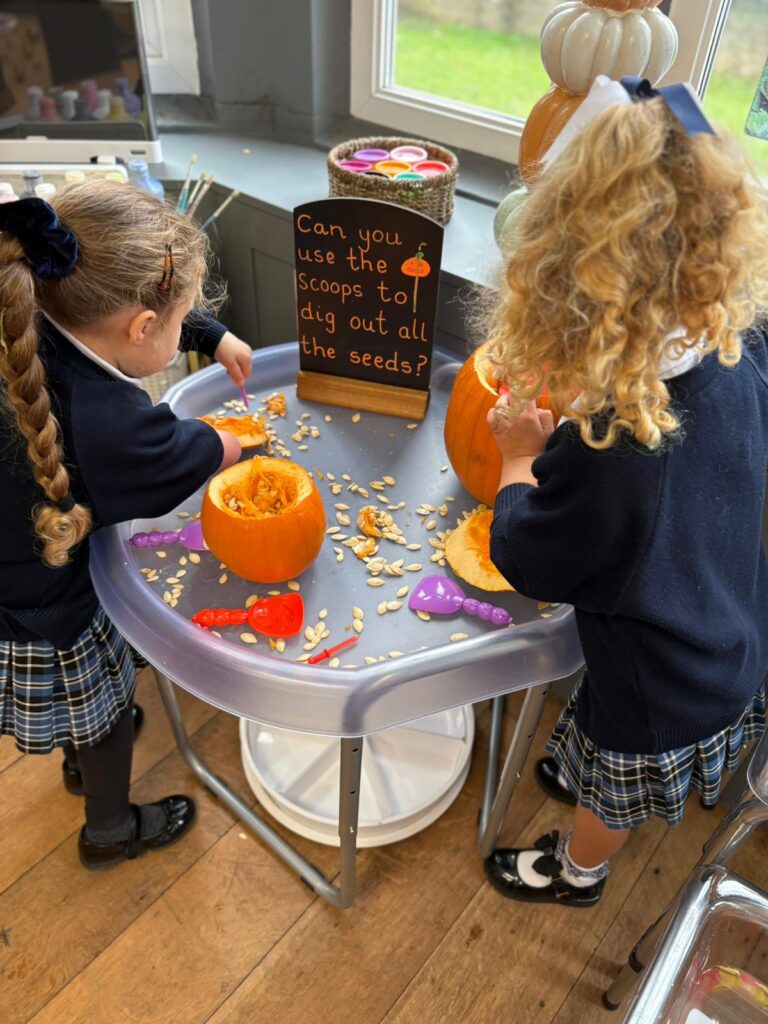
One whole school. One pumpkin patch. So many happy memories. 🎃💙
We rounded off our first half term with a whole-school pumpkin-picking adventure @ribblevalleypumpkins and what a lovely way to finish!
A chance to get outside, enjoy being together and search for that all-important perfect pumpkin. Big ones, little ones, wonderfully wonky ones… choosing was all part of the fun! 🍂
After a half term of hard work, friendships and so much learning, it was lovely to share one more adventure before the holidays.
Happy half term from our Moorland family to yours! 💙
#MoorlandJuniorSchool #PumpkinPicking #Clitheroe #SchoolLife #MoorlandFamily
One whole school. One pumpkin patch. So many happy memories. 🎃💙
We rounded off our first half term with a whole-school pumpkin-picking adventure @ribblevalleypumpkins and what a lovely way to finish!
A chance to get outside, enjoy being together and search for that all-important perfect pumpkin. Big ones, little ones, wonderfully wonky ones… choosing was all part of the fun! 🍂
After a half term of hard work, friendships and so much learning, it was lovely to share one more adventure before the holidays.
Happy half term from our Moorland family to yours! 💙
#MoorlandJuniorSchool #PumpkinPicking #Clitheroe #SchoolLife #MoorlandFamily
Small voices, powerful messages! 🎨💬
Through their art topic, ‘Make My Voice Heard’, the children explored how graffiti can communicate ideas, designing their own artwork around messages that matter to them.
Kindness, belong, recycle, love and joy-such lovely words to share with the world! 💛
For their final pieces, the children visited the atelier to bring their designs to life in colour.
Well done to our young artists for using their creativity to make their voices heard! 🌟
#atelier #art #ks2art #graffiti
Small voices, powerful messages! 🎨💬
Through their art topic, ‘Make My Voice Heard’, the children explored how graffiti can communicate ideas, designing their own artwork around messages that matter to them.
Kindness, belong, recycle, love and joy-such lovely words to share with the world! 💛
For their final pieces, the children visited the atelier to bring their designs to life in colour.
Well done to our young artists for using their creativity to make their voices heard! 🌟
#atelier #art #ks2art #graffiti
A huge well done to our two wonderful Head Girls! 💙🌟
Leading by example, they bring warmth, dedication and enthusiasm to every part of school life. Their kindness, hard work and care for others make them lovely role models for our younger children and a credit to our Moorland family.
We’re so proud of you both! 💙
#MoorlandJuniorSchool #HeadGirls #LeadingByExample #BELONG
A huge well done to our two wonderful Head Girls! 💙🌟
Leading by example, they bring warmth, dedication and enthusiasm to every part of school life. Their kindness, hard work and care for others make them lovely role models for our younger children and a credit to our Moorland family.
We’re so proud of you both! 💙
#MoorlandJuniorSchool #HeadGirls #LeadingByExample #BELONG
Little drawings, big imaginations! 🎃✏️💙
Inspired by the story of Christopher Pumpkin, our Reception children have been busy in Drawing Club, designing their own main characters and imagining the adventures they might have!
It’s lovely to see their ideas come to life on the page as they explore storytelling through drawing and writing.
Here’s a little look at some of their wonderful work. Well done, Reception, we’re so proud of your creativity! 🌟
#MoorlandJuniorSchool #Reception #DrawingClub #EarlyYears #LittleLearners
Little drawings, big imaginations! 🎃✏️💙
Inspired by the story of Christopher Pumpkin, our Reception children have been busy in Drawing Club, designing their own main characters and imagining the adventures they might have!
It’s lovely to see their ideas come to life on the page as they explore storytelling through drawing and writing.
Here’s a little look at some of their wonderful work. Well done, Reception, we’re so proud of your creativity! 🌟
#MoorlandJuniorSchool #Reception #DrawingClub #EarlyYears #LittleLearners
A little baking, a little learning and a lovely Wellbeing Wednesday! 🧁💙
Yesterday, our children explored “Keep Learning”-one of the Five Ways to Wellbeing promoted by the NHS. Trying a new hobby can be a wonderful way to build confidence and enjoy a sense of achievement. And what a delicious hobby baking could be! 🍪
Following a rocky road recipe gave our young learners the chance to try something new, develop practical skills and enjoy the satisfaction of creating something themselves.
As we continue working towards our Wellbeing Award for Schools, our Wednesday sessions help children discover simple ways to care for their wellbeing-at school and beyond.
👩🍳✨
#MoorlandJuniorSchool #WellbeingWednesday #FiveWaysToWellbeing #KeepLearning #Clitheroe
A little baking, a little learning and a lovely Wellbeing Wednesday! 🧁💙
Yesterday, our children explored “Keep Learning”-one of the Five Ways to Wellbeing promoted by the NHS. Trying a new hobby can be a wonderful way to build confidence and enjoy a sense of achievement. And what a delicious hobby baking could be! 🍪
Following a rocky road recipe gave our young learners the chance to try something new, develop practical skills and enjoy the satisfaction of creating something themselves.
As we continue working towards our Wellbeing Award for Schools, our Wednesday sessions help children discover simple ways to care for their wellbeing-at school and beyond.
👩🍳✨
#MoorlandJuniorSchool #WellbeingWednesday #FiveWaysToWellbeing #KeepLearning #Clitheroe
✏️🎨 Some of our KS1 children have been developing their shading techniques through observational drawing, looking closely at line, shape and tone, using various teddies as their inspiration.
Taking time to notice the little details and experiment with light and shade- such concentration and creativity from our young artists! 💙
#MoorlandJuniorSchool #KS1Art #YoungArtists #LoveOfLearning #observationaldrawing
✏️🎨 Some of our KS1 children have been developing their shading techniques through observational drawing, looking closely at line, shape and tone, using various teddies as their inspiration.
Taking time to notice the little details and experiment with light and shade- such concentration and creativity from our young artists! 💙
#MoorlandJuniorSchool #KS1Art #YoungArtists #LoveOfLearning #observationaldrawing
Sometimes, our children say it best.
Kindness, encouragement and the joy of learning are at the heart of life at Moorland Junior School. Our small classes give teachers time to know each child-their strengths, their interests and when they need a little extra support.
Because feeling happy, safe and understood helps children build the confidence to ask questions, try something new and keep going when learning gets tricky. 🌟
Come and discover our Moorland family. To arrange a personal tour, email abrotherton@moorlandschool.co.uk.
#MoorlandJuniorSchool #Clitheroe #HappyChildren #LoveOfLearning #SmallSchoolBigOpportunities
Sometimes, our children say it best.
Kindness, encouragement and the joy of learning are at the heart of life at Moorland Junior School. Our small classes give teachers time to know each child-their strengths, their interests and when they need a little extra support.
Because feeling happy, safe and understood helps children build the confidence to ask questions, try something new and keep going when learning gets tricky. 🌟
Come and discover our Moorland family. To arrange a personal tour, email abrotherton@moorlandschool.co.uk.
#MoorlandJuniorSchool #Clitheroe #HappyChildren #LoveOfLearning #SmallSchoolBigOpportunities