


Choosing the right school is an important decision. Come and see what makes Moorland Junior School such a special place to learn and grow. 💙
Join us for our Open Day on Saturday 10 October, 10am-2pm. Meet our teachers, explore the school and discover how our small classes help every child feel known, supported and challenged.
From strong academic foundations and specialist teaching to Forest School, LAMDA with @littlevoicesbdrv , our Football Academy with @soccer_hq_ and a wide range of enrichment opportunities, there is so much for children to experience at Moorland. Our school day also includes wraparound care from 8am- 6pm at no additional cost.
Whether your child is starting Reception in 2027 or you’re considering a move into another year group, we’d love to meet you.
Booking is encouraged but you’re welcome to drop in. To arrange a tour, email abrotherton@moorlandschool.co.uk.
#MoorlandJuniorSchool #MoorlandOpenDay #Clitheroe #Reception2027 #LancashireSchools

Choosing the right school is an important decision. Come and see what makes Moorland Junior School such a special place to learn and grow. 💙
Join us for our Open Day on Saturday 10 October, 10am-2pm. Meet our teachers, explore the school and discover how our small classes help every child feel known, supported and challenged.
From strong academic foundations and specialist teaching to Forest School, LAMDA with @littlevoicesbdrv , our Football Academy with @soccer_hq_ and a wide range of enrichment opportunities, there is so much for children to experience at Moorland. Our school day also includes wraparound care from 8am- 6pm at no additional cost.
Whether your child is starting Reception in 2027 or you’re considering a move into another year group, we’d love to meet you.
Booking is encouraged but you’re welcome to drop in. To arrange a tour, email abrotherton@moorlandschool.co.uk.
#MoorlandJuniorSchool #MoorlandOpenDay #Clitheroe #Reception2027 #LancashireSchools
✨Four activities, one exciting afternoon!✨
Tuesday afternoons are dedicated to our enrichment program here at Moorland Junior School.
This term children have chosen between:
-Creative arts🧑🎨
-STEM🧪
-Dance lessons with @levitatedanceacademy_ 💃
-Cookery lessons with @flavourswhalley 🧑🍳
Our mixed- age enrichment programme extends learning beyond the classroom, helping children develop new interests and valuable life skills.
We rotate our offering regularly to ensure there is something for everyone. From swimming and skiing to beekeeping and golf - we love giving our children the opportunity to try it all!💙
#enrichment #learningbeyondtheclassroom #ribblevalley #school
✨Four activities, one exciting afternoon!✨
Tuesday afternoons are dedicated to our enrichment program here at Moorland Junior School.
This term children have chosen between:
-Creative arts🧑🎨
-STEM🧪
-Dance lessons with @levitatedanceacademy_ 💃
-Cookery lessons with @flavourswhalley 🧑🍳
Our mixed- age enrichment programme extends learning beyond the classroom, helping children develop new interests and valuable life skills.
We rotate our offering regularly to ensure there is something for everyone. From swimming and skiing to beekeeping and golf - we love giving our children the opportunity to try it all!💙
#enrichment #learningbeyondtheclassroom #ribblevalley #school
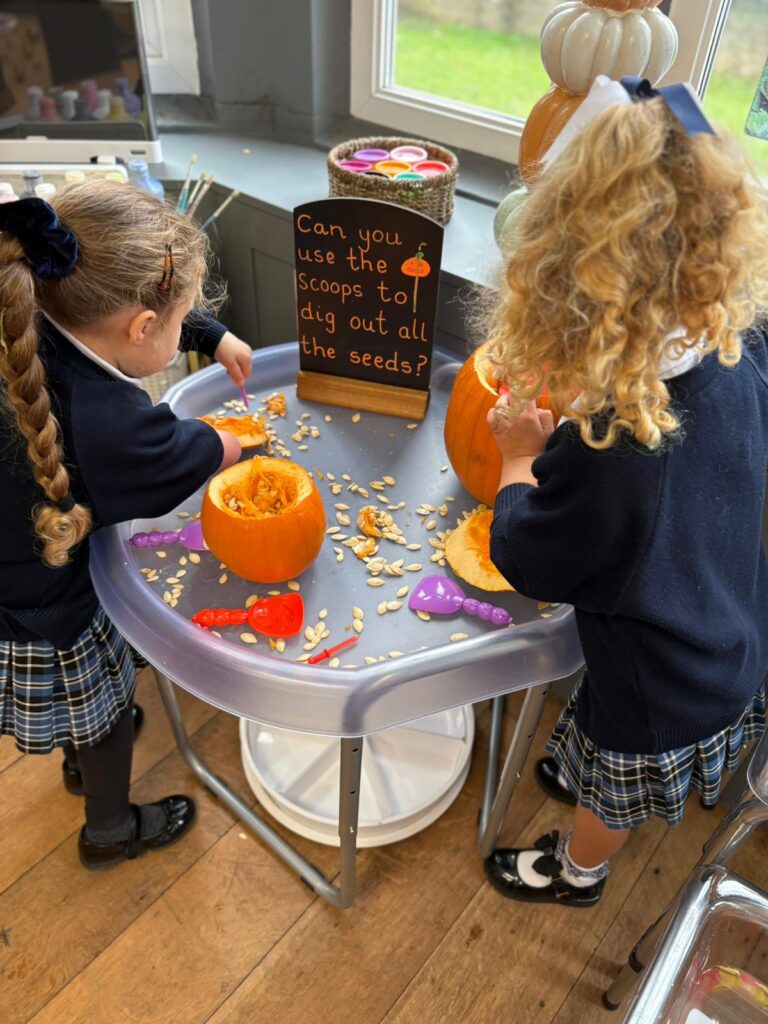
Sometimes, the very best moments at school are the ones you simply can’t plan.
The wide eyes. The excitement. The questions. The discoveries. The moments that make children stop and say, “WOW!”
At Moorland, we want childhood to be filled with awe, wonder and curiosity; creating space for children to explore, imagine, discover and find joy in the everyday.
Because learning should feel exciting. And childhood should still feel a little bit magical✨
#juniorschool #privateschool #ribblevalley #clitheroe
Sometimes, the very best moments at school are the ones you simply can’t plan.
The wide eyes. The excitement. The questions. The discoveries. The moments that make children stop and say, “WOW!”
At Moorland, we want childhood to be filled with awe, wonder and curiosity; creating space for children to explore, imagine, discover and find joy in the everyday.
Because learning should feel exciting. And childhood should still feel a little bit magical✨
#juniorschool #privateschool #ribblevalley #clitheroe
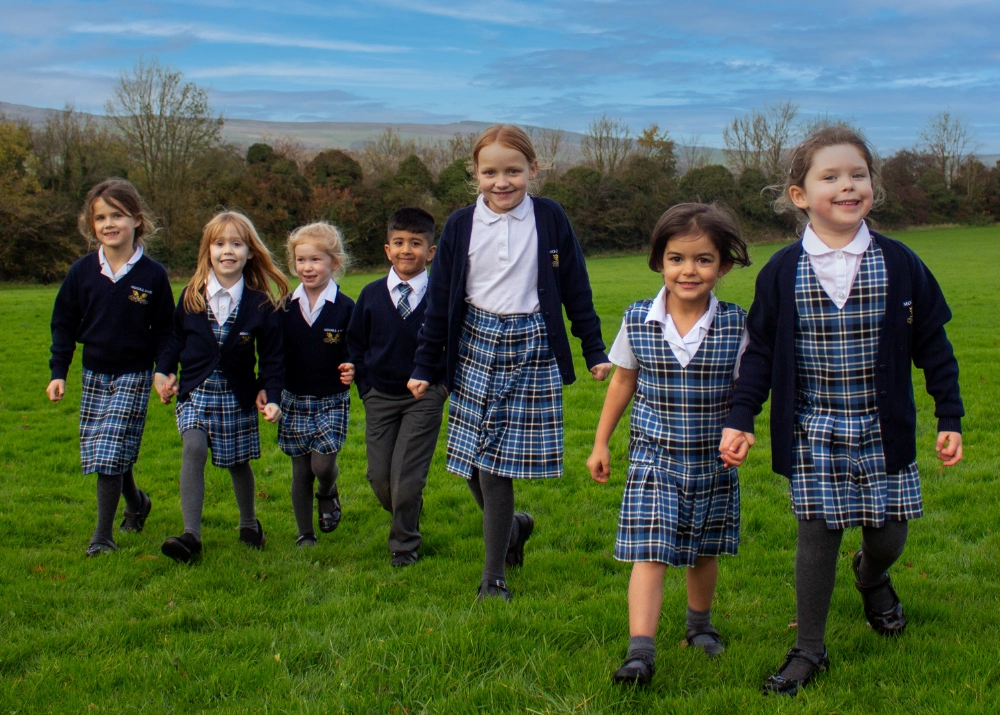
A sneaky glimpse behind the scenes… 📸
We recently welcomed back @natural.light.photos to Junior School to capture a little of what makes life at Moorland so special.
From learning in the classroom to friendships, creativity and those everyday moments in between, we can’t wait to share more from our most recent shoot. 🤍
These beautiful new images will soon be appearing across our updated website and Junior School prospectus, giving families a real glimpse into life at Moorland.
For now, just a little sneak peek… 👀✨
#ribblevalley #clitheroe #privateschool
A sneaky glimpse behind the scenes… 📸
We recently welcomed back @natural.light.photos to Junior School to capture a little of what makes life at Moorland so special.
From learning in the classroom to friendships, creativity and those everyday moments in between, we can’t wait to share more from our most recent shoot. 🤍
These beautiful new images will soon be appearing across our updated website and Junior School prospectus, giving families a real glimpse into life at Moorland.
For now, just a little sneak peek… 👀✨
#ribblevalley #clitheroe #privateschool
✨ Discover Moorland Junior School ✨
Choosing the right school for your child is such an important decision and sometimes the best way to know if a school feels right is simply to come and experience it for yourself 💙
Join us for our Open Day on Saturday 10th October, 10am-2pm, and discover what makes Moorland Junior School such a special place to learn, grow and belong.
At Moorland, we are proud to offer small class sizes, dedicated and inspiring teachers, enriching opportunities and experiences and a nurturing environment where every child is truly known, valued and encouraged to thrive.
Come and explore our school, meet our wonderful team, see our classrooms and learning spaces, and find out more about life at Moorland, from Reception right through to Year 6.
Whether you’re beginning your search for the perfect Reception place or considering a change of school for your child, we would love to welcome you and your family.
📅 Saturday 10th October
⏰ 10am-2pm
📍 Moorland Junior School, Ribblesdale Avenue, Clitheroe
No pressure, no obligation; simply come along, have a look around and discover whether Moorland could be the right place for your child.💙
#ribblevalley #clitheroe #privateschool
✨ Discover Moorland Junior School ✨
Choosing the right school for your child is such an important decision and sometimes the best way to know if a school feels right is simply to come and experience it for yourself 💙
Join us for our Open Day on Saturday 10th October, 10am-2pm, and discover what makes Moorland Junior School such a special place to learn, grow and belong.
At Moorland, we are proud to offer small class sizes, dedicated and inspiring teachers, enriching opportunities and experiences and a nurturing environment where every child is truly known, valued and encouraged to thrive.
Come and explore our school, meet our wonderful team, see our classrooms and learning spaces, and find out more about life at Moorland, from Reception right through to Year 6.
Whether you’re beginning your search for the perfect Reception place or considering a change of school for your child, we would love to welcome you and your family.
📅 Saturday 10th October
⏰ 10am-2pm
📍 Moorland Junior School, Ribblesdale Avenue, Clitheroe
No pressure, no obligation; simply come along, have a look around and discover whether Moorland could be the right place for your child.💙
#ribblevalley #clitheroe #privateschool
It’s more than just a school. It’s a family. 💙
It’s learning, laughter, friendships and memories made together.
It’s Moorland.💙
It’s more than just a school. It’s a family. 💙
It’s learning, laughter, friendships and memories made together.
It’s Moorland.💙
💙 What do we do for wellbeing at Moorland?
This year, we have appointed a dedicated Head of Wellbeing and Pastoral Care to support every child and adult across our school.
As part of our Wellbeing Wednesday programme, a group of children visited @ilovepaintpot in Clitheroe this week. They enjoyed designing and painting their own tiles, chatting together and finishing the afternoon with a delicious hot chocolate! ☕🎨
We can’t wait to see their finished creations. A huge thank you to Paint Pot for making the children feel so welcome!
#WellbeingWednesday #PupilWellbeing #PastoralCare #Clitheroe
💙 What do we do for wellbeing at Moorland?
This year, we have appointed a dedicated Head of Wellbeing and Pastoral Care to support every child and adult across our school.
As part of our Wellbeing Wednesday programme, a group of children visited @ilovepaintpot in Clitheroe this week. They enjoyed designing and painting their own tiles, chatting together and finishing the afternoon with a delicious hot chocolate! ☕🎨
We can’t wait to see their finished creations. A huge thank you to Paint Pot for making the children feel so welcome!
#WellbeingWednesday #PupilWellbeing #PastoralCare #Clitheroe
🌻 Today, our lovely EYFS children visited @georgeandclemmiesfarm to pick their very own sunflowers and enjoy a delicious ice cream too! 🍦
Back in the classroom, the children have been exploring watercolours and used their freshly picked sunflowers as inspiration for their own beautiful paintings.
A wonderful day of creativity, nature and hands-on learning! 💙
#eyfsteacher #LearningThroughExperience #EarlyYears #CreativeLearning #MoorlandJuniorSchool
🌻 Today, our lovely EYFS children visited @georgeandclemmiesfarm to pick their very own sunflowers and enjoy a delicious ice cream too! 🍦
Back in the classroom, the children have been exploring watercolours and used their freshly picked sunflowers as inspiration for their own beautiful paintings.
A wonderful day of creativity, nature and hands-on learning! 💙
#eyfsteacher #LearningThroughExperience #EarlyYears #CreativeLearning #MoorlandJuniorSchool