


Today, we’ve been busy with practical paediatric first aid training! 🩹💙
From cuts and grazes to sprains and strains, and more serious emergencies involving CPR, choking and seizures. We’ve been developing the skills and confidence to respond when it matters most.
Learning how to act quickly and calmly in potentially life-threatening situations is such an important part of keeping our school community safe.
A huge thank you to @manchesterfirstaidtraining for an informative, hands-on day! 👏💙
#MoorlandJuniorSchool #FirstAidTraining #SchoolLife

Today, we’ve been busy with practical paediatric first aid training! 🩹💙
From cuts and grazes to sprains and strains, and more serious emergencies involving CPR, choking and seizures. We’ve been developing the skills and confidence to respond when it matters most.
Learning how to act quickly and calmly in potentially life-threatening situations is such an important part of keeping our school community safe.
A huge thank you to @manchesterfirstaidtraining for an informative, hands-on day! 👏💙
#MoorlandJuniorSchool #FirstAidTraining #SchoolLife
From hive to jar… this week it has been honey harvest time at Moorland Junior School! 🐝🍯
After months of caring for our bees, our children finally enjoyed the sweet reward of their hard work!
Since first putting on their beekeeping suits in May, the children have spent the spring and summer learning about the bees’ busy world and how to help keep our colony healthy and thriving.
First, they checked that the honeycomb was capped with wax before carefully removing the wax caps to reveal the honey underneath. They measured the honey’s water content, which was 18%, then placed the frames into the extractor and watched centrifugal force work its magic! ✨
Next came straining the honey and pouring it into jars. 🍯
The children took some of their very own Moorland honey home to share! Next week, we’ll also be selling little jars for families who would like to purchase some. 💛
It has been lovely to watch their curiosity and confidence grow as they’ve cared for our bees together. Seeing that care turn into jars of honey has given them something very special to feel proud of! 💙
#Beekeeping #Bees #HoneyHarvest #HandsOnLearning
From hive to jar… this week it has been honey harvest time at Moorland Junior School! 🐝🍯
After months of caring for our bees, our children finally enjoyed the sweet reward of their hard work!
Since first putting on their beekeeping suits in May, the children have spent the spring and summer learning about the bees’ busy world and how to help keep our colony healthy and thriving.
First, they checked that the honeycomb was capped with wax before carefully removing the wax caps to reveal the honey underneath. They measured the honey’s water content, which was 18%, then placed the frames into the extractor and watched centrifugal force work its magic! ✨
Next came straining the honey and pouring it into jars. 🍯
The children took some of their very own Moorland honey home to share! Next week, we’ll also be selling little jars for families who would like to purchase some. 💛
It has been lovely to watch their curiosity and confidence grow as they’ve cared for our bees together. Seeing that care turn into jars of honey has given them something very special to feel proud of! 💙
#Beekeeping #Bees #HoneyHarvest #HandsOnLearning
⚽️💙 At Moorland Junior School, children can follow their passions while being supported and challenged in the classroom.
Through our partnership with @soccer_hq_ , our academy pupils enjoy three coaching sessions each week alongside their education. We work closely together to support their football commitments while keeping academic progress firmly at the heart of school life.
Small classes. Big opportunities. A school where children can thrive on the pitch and in the classroom. 🌟
#SoccerHQ #Clitheroe #Football
⚽️💙 At Moorland Junior School, children can follow their passions while being supported and challenged in the classroom.
Through our partnership with @soccer_hq_ , our academy pupils enjoy three coaching sessions each week alongside their education. We work closely together to support their football commitments while keeping academic progress firmly at the heart of school life.
Small classes. Big opportunities. A school where children can thrive on the pitch and in the classroom. 🌟
#SoccerHQ #Clitheroe #Football
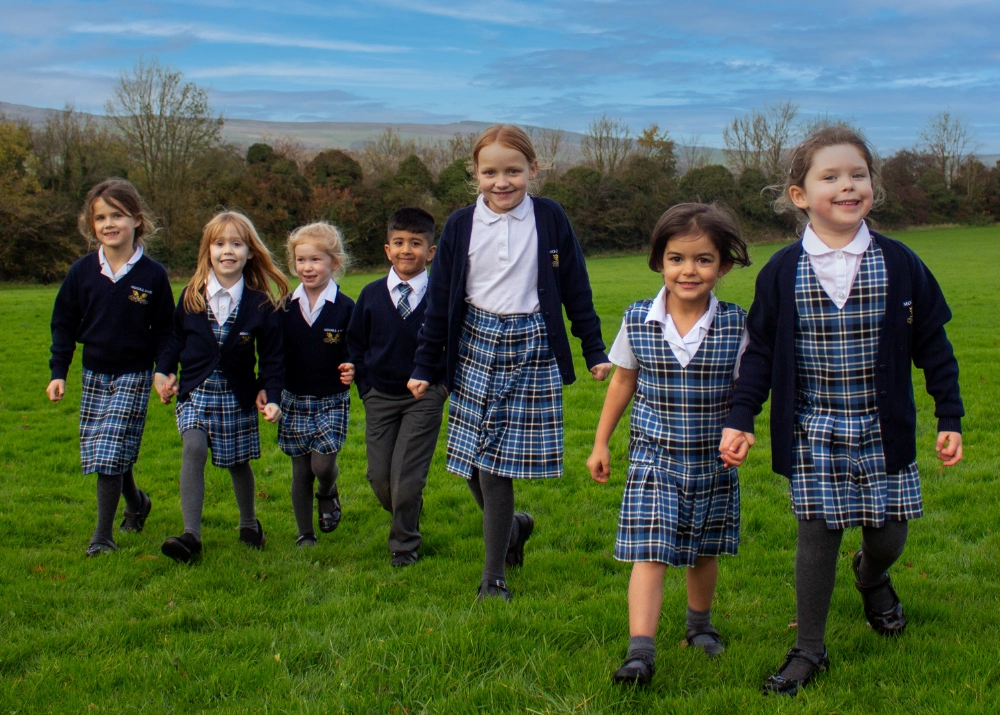
Don’t just take our word for it… hear it from our children! 💙
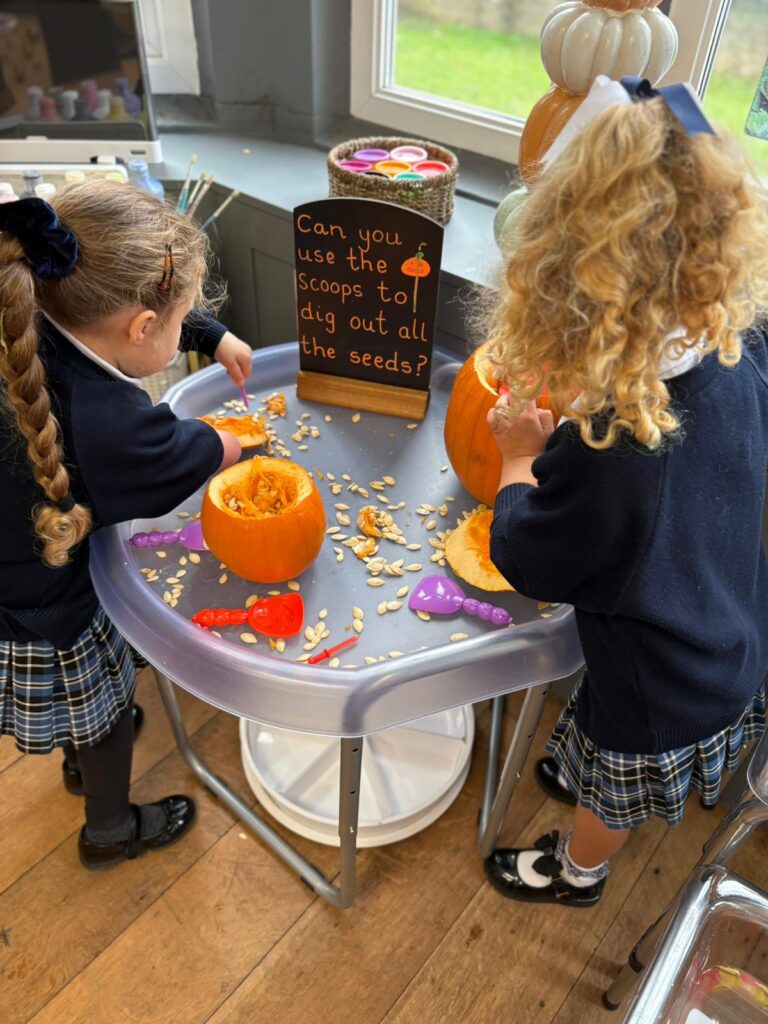
From Forest School and LAMDA to exciting lessons, enrichment and adventures-there is so much to experience at Moorland Junior School.
Come and discover what makes our small school so special at our Open Day:
📅 Saturday 10th October
⏰ 10am–2pm
📍 Moorland Junior School, Clitheroe
Meet our Moorland family, explore our school and see how every child is known, supported and encouraged to excel.
Booking is encouraged but not essential. To reserve your place, please email abrotherton@moorlandschool.co.uk.
#OpenDay #Clitheroe #LancashireSchools #IndependentSchool #SmallSchoolBigOpportunities
Don’t just take our word for it… hear it from our children! 💙
From Forest School and LAMDA to exciting lessons, enrichment and adventures-there is so much to experience at Moorland Junior School.
Come and discover what makes our small school so special at our Open Day:
📅 Saturday 10th October
⏰ 10am–2pm
📍 Moorland Junior School, Clitheroe
Meet our Moorland family, explore our school and see how every child is known, supported and encouraged to excel.
Booking is encouraged but not essential. To reserve your place, please email abrotherton@moorlandschool.co.uk.
#OpenDay #Clitheroe #LancashireSchools #IndependentSchool #SmallSchoolBigOpportunities
🌈 There’s something special at the end of this rainbow…
Come and discover Moorland Junior School for yourself at our upcoming Open Day.
🏫 Small classes, with a maximum of 15 children
🌿 Beautiful grounds and space to learn, explore and grow
💛 A strong focus on wellbeing and pastoral care
✨ A warm, nurturing environment where every child is known
📚 Learning and opportunities that extend far beyond the classroom
OPEN DAY
📅 Saturday 10th October
🕙 10:00am - 2:00pm
Whether you’re considering Reception or a place further up the school, come along, meet our team, explore Moorland and see what makes our little school so special.
Your child’s next chapter could start right here!
📩 Get in touch to arrange your visit or find out more.
#moorlandjuniorschool #openday #independentschool #smallclasses #LancashireSchools #reception2027 #moorlandfamily #ribblevalley #clitheroe
🌈 There’s something special at the end of this rainbow…
Come and discover Moorland Junior School for yourself at our upcoming Open Day.
🏫 Small classes, with a maximum of 15 children
🌿 Beautiful grounds and space to learn, explore and grow
💛 A strong focus on wellbeing and pastoral care
✨ A warm, nurturing environment where every child is known
📚 Learning and opportunities that extend far beyond the classroom
OPEN DAY
📅 Saturday 10th October
🕙 10:00am - 2:00pm
Whether you’re considering Reception or a place further up the school, come along, meet our team, explore Moorland and see what makes our little school so special.
Your child’s next chapter could start right here!
📩 Get in touch to arrange your visit or find out more.
#moorlandjuniorschool #openday #independentschool #smallclasses #LancashireSchools #reception2027 #moorlandfamily #ribblevalley #clitheroe
September, you’ve been wonderful! 💙✨
From trips and Forest School to LAMDA and classroom learning, our first month back has been filled with friendship, adventure and so many little moments to celebrate.
It’s been lovely to see our children settling in, exploring new opportunities and sharing plenty of laughter along the way. What a wonderful start to the year at Moorland Junior School!
We’re so proud of our children. Here’s a little glimpse of all they’ve been up to this September… 🫶
#SeptemberRecap #SchoolLife #Clitheroe #lamda #forestschool
September, you’ve been wonderful! 💙✨
From trips and Forest School to LAMDA and classroom learning, our first month back has been filled with friendship, adventure and so many little moments to celebrate.
It’s been lovely to see our children settling in, exploring new opportunities and sharing plenty of laughter along the way. What a wonderful start to the year at Moorland Junior School!
We’re so proud of our children. Here’s a little glimpse of all they’ve been up to this September… 🫶
#SeptemberRecap #SchoolLife #Clitheroe #lamda #forestschool
🐧🦁 Year 1 had a fantastic day at the zoo! 🦍🐒
The children had the best time exploring and learning all about animals, from watching the penguins splashing around and getting us ready for our second Penguin topic, to sitting together and learning how we can group animals into mammals, reptiles and birds. 🐧🦎🦅
One of the highlights of the day was seeing a baby orangutan up close and even getting the chance to touch a lemur or two! 🦧🐒✨
A day full of fun, excitement and lots of learning! We came back with plenty of new facts, happy memories and lots to talk about as we begin our next Penguin topic. 🐧💙
#Year1 #SchoolTrip #ZooTrip #LearningOutsideTheClassroo #blackpoolzoo
🐧🦁 Year 1 had a fantastic day at the zoo! 🦍🐒
The children had the best time exploring and learning all about animals, from watching the penguins splashing around and getting us ready for our second Penguin topic, to sitting together and learning how we can group animals into mammals, reptiles and birds. 🐧🦎🦅
One of the highlights of the day was seeing a baby orangutan up close and even getting the chance to touch a lemur or two! 🦧🐒✨
A day full of fun, excitement and lots of learning! We came back with plenty of new facts, happy memories and lots to talk about as we begin our next Penguin topic. 🐧💙
#Year1 #SchoolTrip #ZooTrip #LearningOutsideTheClassroo #blackpoolzoo
Last week, our wonderful children put their pencils down for a day of fun at Blackpool Pleasure Beach! 🎢
Rescheduled after the summer heatwave, the trip was worth the wait. From exciting rides to plenty of laughter with friends, the children made memories we’ll be talking about for a long time.
What a brilliant day for our Moorland family! 💙
#blackpoolpleasurebeach #schooltrip #blackpool #themepark
Last week, our wonderful children put their pencils down for a day of fun at Blackpool Pleasure Beach! 🎢
Rescheduled after the summer heatwave, the trip was worth the wait. From exciting rides to plenty of laughter with friends, the children made memories we’ll be talking about for a long time.
What a brilliant day for our Moorland family! 💙
#blackpoolpleasurebeach #schooltrip #blackpool #themepark